
Shifting Resource Allocation
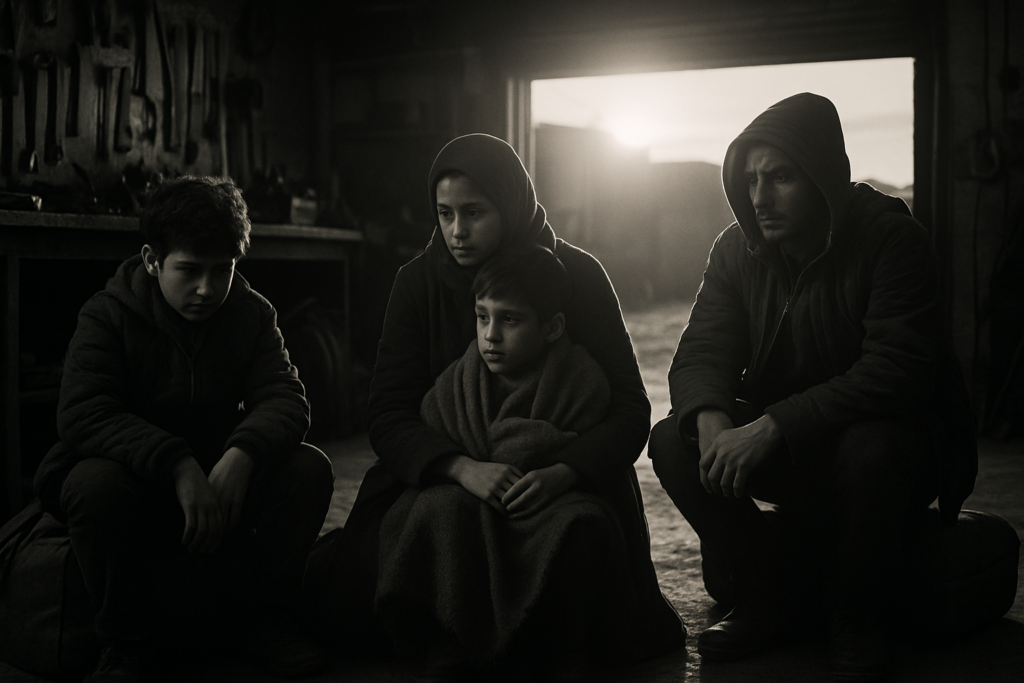
When refugee numbers surge, national budgets feel it fast. Housing, healthcare, and education systems are often the first hit. These are sectors already stretched in many countries, and adding large new populations forces governments to reshuffle priorities quickly. Schools need space, hospitals need more staff, and housing markets especially rental can tighten overnight.
To cope, governments usually lean on short term emergency relief: extra funding for shelters, temporary medical clinics, and mobile classrooms. But that quick fix approach only goes so far. The longer refugees stay and data shows many crises last years, not months the more pressure there is to shift into long term planning. That means reallocating existing national funds, not just relying on international aid.
Some governments have responded by folding refugee needs into broader public investment plans: expanding affordable housing stock, hiring bilingual teachers, or scaling up national health systems. Others cut elsewhere postpone infrastructure, shave admin costs, reduce non essential services to make room in the budget.
The result? A balancing act between compassion, financial stability, and political pressure. Investing in integration works in the long run but politically, it’s not always the easy sell. Still, countries that plan with the long view tend to absorb economic shocks better than those stuck in emergency mode.
Labor Market Dynamics
In industries like agriculture, construction, elder care, and food processing, refugee labor has become a quiet backbone. These are jobs many local populations don’t rush to fill physically demanding, often low wage, and less appealing to younger, educated workers. Refugees, driven by necessity and resilience, step in. Especially in aging economies, where worker shortages are both chronic and costly, this influx is less disruption and more lifeline.
Still, myths linger. One of the most stubborn is that refugees drive up unemployment for native born workers. Multiple large scale studies say otherwise. If anything, the arrival of refugees either has a neutral or slightly positive effect, particularly when local governments invest in integration and job matching. Displacement fears overlook how segmented labor markets really are: a refugee doesn’t take a job from a native engineer they usually take jobs no one else is applying for.
The real economic gains, though, depend on skill level. Unskilled labor fills immediate gaps, especially in sectors with high turnover. But skilled refugees engineers, nurses, teachers offer long term boosts if credentialing systems allow them to actually work in their fields. Without those systems, that potential goes unused, GDP gains stall, and social frustrations rise on all sides. Match the right worker with the right job, and the benefits follow.
Small Business and Entrepreneurial Sparks

Refugees aren’t just looking for jobs they’re creating them. Around the world, refugee owned businesses are becoming key players in local economies. From mobile coffee carts in Berlin to digital design services in Nairobi, displaced entrepreneurs are not only generating income for themselves but also hiring locals and fellow refugees. It’s grassroots growth, driven by necessity and determination.
Take the case of Zeinab, a Syrian refugee in Amman, who launched a home based catering company in 2019. Today, it employs five other women and supplies meals to dozens of local businesses. Or consider the Afghan run tech startup operating out of Pakistan’s urban outskirts, offering freelance coding services to international clients. These aren’t outliers they reflect a pattern: when given the tools, refugees build.
Still, access to capital remains a stubborn barrier. That’s where microcredit and financial inclusion come in. Small loans with low barriers to entry like those offered by local NGOs or progressive financial institutions are making a huge difference. In many cases, the only thing separating a great business idea from execution is $500 and a chance.
Refugee entrepreneurship isn’t charity. It’s smart economics. With the right support, these business owners contribute to community resilience and market diversity. They’re not just surviving they’re investing, hiring, and growing.
National Economies Under Stress
The Financial Burden on Host Countries
Nations hosting large refugee populations often face significant economic strain especially those with fewer resources to begin with. Low and middle income countries bear the bulk of the world’s refugee intake, and the costs can quickly stretch public budgets beyond sustainable limits.
Housing, food, and health services become immediate and ongoing expenditures
Infrastructure and administrative support must scale rapidly to meet increased demand
Public education systems may struggle to accommodate new student populations and language needs
These budget pressures are magnified when host countries face their own economic instability or limited access to international financing mechanisms.
Impact on Macroeconomic Indicators
Accepting a large number of refugees can create ripple effects across key macroeconomic metrics:
GDP Impact: In the short term, government expenditure may rise, contributing to GDP growth, but not necessarily improving economic well being
Inflation Pressures: Increased demand for housing and basic goods may lead to temporary inflation spikes
Rising Debt: Nations may borrow to cover emergency and integration costs, increasing public debt
The long term outcome greatly depends on how well refugees are integrated into the labor market and how effectively support systems are maintained.
Donor Fatigue: A Growing Risk
As protracted crises persist, the international community faces increasing cases of donor fatigue. Countries and institutions that initially provided generous financial support may reduce funding over time, even as needs remain.
Decreased humanitarian aid threatens essential services and long term planning
Competition for funds can limit available resources across multiple regions and crises
Volatile funding flows make it difficult for host nations to build stable, forward looking policies
Sustained support is crucial not just for refugee well being, but for the broader economic health of host nations relying on external aid.
Ripple Effects on Global Trade
Migration, especially at scale, doesn’t just impact host cities or national budgets. It reshapes demand patterns across entire regions. When large numbers of people resettle in a new country, the supply chain has to adjust often quickly. Basic goods like housing materials, clothing, and food staples see immediate demand surges. Over time, these shifts ripple into logistics, import export volumes, and manufacturing cycles.
In major host nations, food and energy markets feel the pressure first. Supermarkets stretch inventory. Utilities respond to higher consumption. If governments don’t move fast to stabilize these sectors, inflation creeps in. On the business side, some sectors benefit retail, construction, transportation while others scramble to adapt.
None of this happens in isolation. Regional trade systems, especially those tied to agriculture and energy, get reshuffled. For producers and suppliers, it’s both a challenge and an opportunity: rework distribution plans or tap into fast growing local markets formed by new populations.
For more on the broader global effects, see the full breakdown in global trade impacts.
Looking Ahead: Economic Opportunities and Risks
In times of large scale displacement, it’s easy for host countries to view refugees only as a challenge. But when policies get it right, refugees bring more than need they bring potential. Skilled labor, entrepreneurial grit, and diverse perspectives are all valuable assets, especially in aging economies or sectors facing workforce shortages. Channeling refugee talent into sustainable development starts by recognizing ability over circumstance.
That recognition doesn’t happen without structure. Stable integration policies like credential recognition, language access, and job placement programs are what close the gap between survival and contribution. With the right support systems, refugees do more than integrate; they innovate and expand what’s possible in their adoptive economies.
But if these structures falter, the opposite can happen. Weak support pushes displaced people into informal economies, deepens inequality, and breeds long term instability. The global cost of ignoring integration is steep not just socially but economically. As we look at the next decade, the question isn’t whether nations can afford to support refugees. It’s whether they can afford not to.
For broader context on how global trade intersects with these dynamics, see global trade impacts.