Why Local Events Matter on a Global Scale
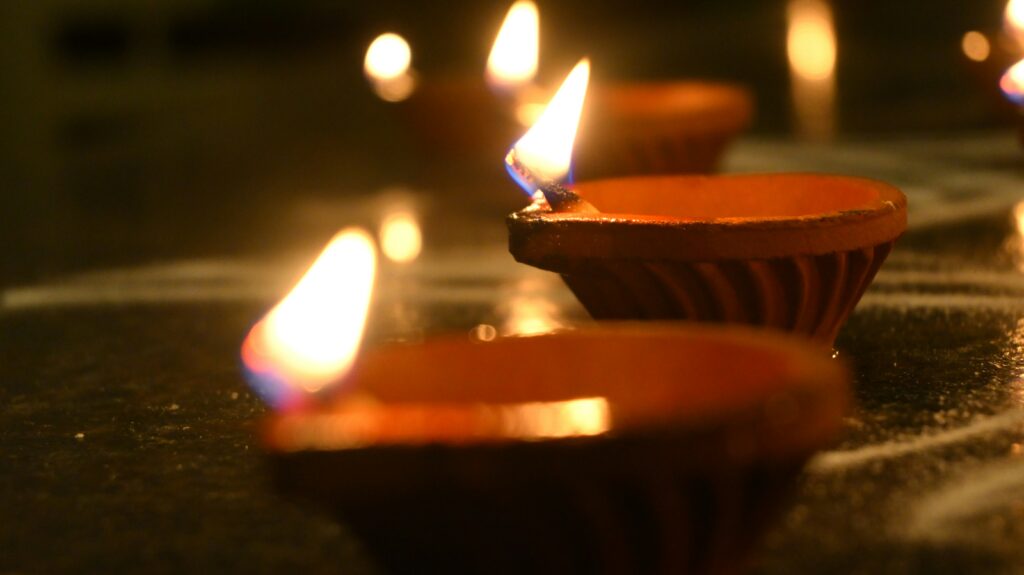
Local events do more than fill weekend calendars they act as real time lessons in culture, history, and identity. A small town pakistani food fair or a city’s Diwali fireworks show holds value beyond entertainment; it’s first hand exposure to traditions that might otherwise stay in textbooks or online search tabs. These celebrations don’t just showcase a culture they open doors for dialogue, invite questions, and gently challenge stereotypes.
In 2026, city events are doing more heavy lifting than ever when it comes to representing international heritage. You’re seeing municipalities design programming hand in hand with cultural leaders not just slapping “diversity” on a poster but diving into what celebration actually looks like within each community. These aren’t generic parades they’re layered, intentional experiences with food, performance, language, and history at the table.
Why does this matter in 2026? Because global connection isn’t optional anymore. Migration, climate shifts, and digital culture are weaving communities closer together. Cities that get ahead those that fund cultural events, promote interfaith festivals, give space for indigenous voices aren’t just checking boxes. They’re setting the tone for what inclusion looks like not just in theory, but on the ground. 2026 is shaping up as a moment where cities either level up on equity through celebration, or risk falling behind.
Standout Cultural Festivals to Watch
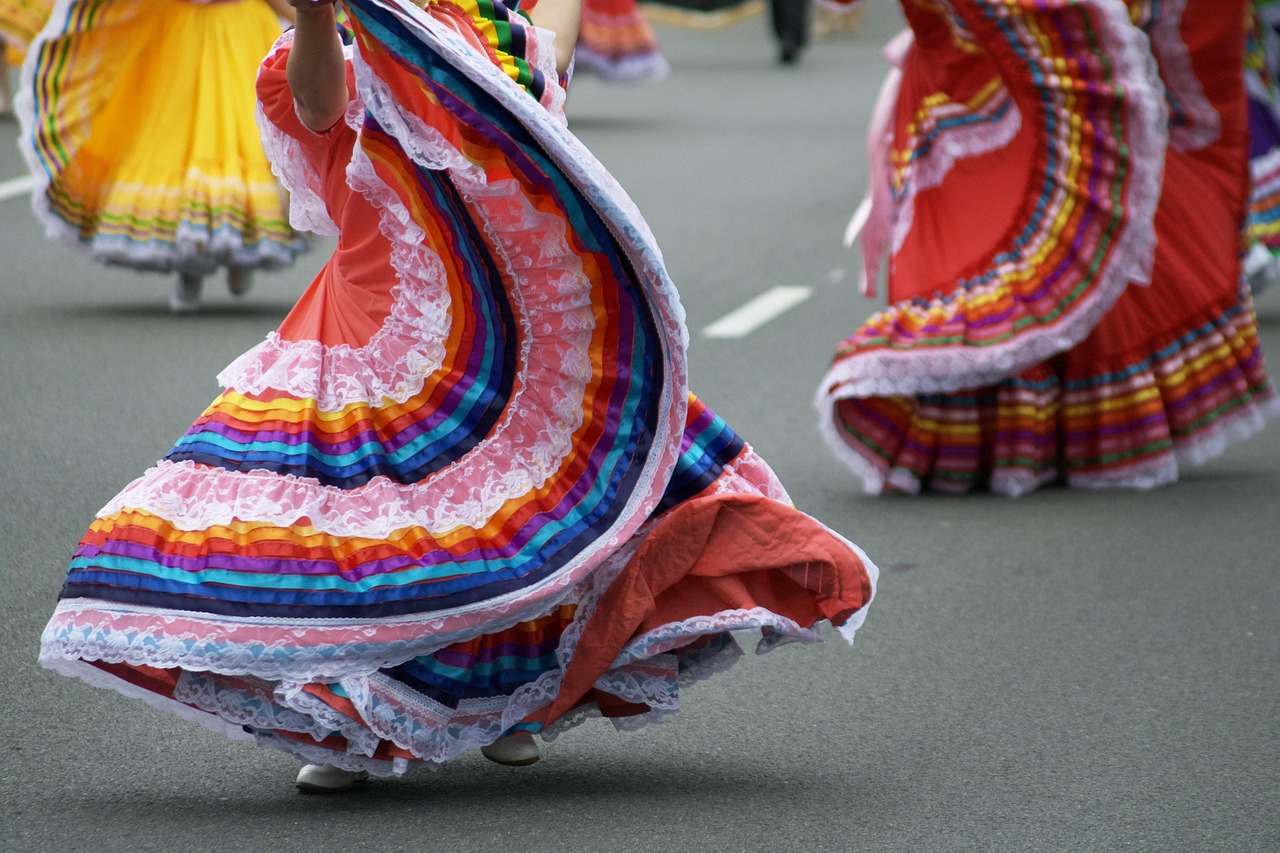
Across continents, 2026 is shaping up to be one of the most diverse, dynamic years yet for local cultural events. Cities are no longer just backdrops they’re becoming stages for global heritage, bringing the world to neighborhoods in immersive, meaningful ways.
Lunar New Year parades remain a centerpiece of celebration in major hubs like San Francisco, Sydney, and London. Beyond the dragon dances and lantern lit streets, organizers are leaning into education, hosting heritage exhibits and cuisine tastings that give newcomers more than a photo op they offer context and story. Explore Top Destinations for Chinese New Year Parades Around the Globe
In cities like Toronto, New York, and London, Caribbean communities are running high energy diaspora events that showcase not just music and costumes, but deep rooted traditions. Think steel pan concerts in the park, intergenerational cooking demos, and curated talks on migration and identity. The vibe is unmistakable joyful, proud, and open.
African Cultural Weeks are growing, especially around Ghanaian Independence Day in March. From retail pop ups selling Kente cloth to poetry nights spotlighting African languages, the theme is connection across generations. These aren’t limited to large metros either smaller cities and universities are getting in on the movement.
Pacific Islander Heritage Days bring something vital to the table: land, identity, and ocean stewardship. In Hawaii, California, and parts of Australia, festivals highlight traditional voyaging, climate action, and ancestral practices. Expect storytelling circles, multi day canoe building workshops, and elder led ceremonies grounded in resilience.
Across the board, these events are teaching, not performing. They’re curated for inclusion, created to invite interaction, not just observation. And that’s what makes 2026 different: culture isn’t on display it’s being lived, shared, and passed on.
How Cities Are Supporting Multicultural Expression
In 2026, city governments are starting to put real money behind cultural programming not just lip service. We’re seeing more grants flowing to grassroots organizers who’ve been running festivals on shoestring budgets for years. That boost is helping turn one day community fairs into multi day celebrations with stronger production, better promotion, and wider attendance.
Public spaces are shifting too. Parks, plazas, and even transit hubs are becoming backdrops for heritage storytelling from live dance and music to food stalls and interactive exhibits. It’s not just about entertainment; cities are leaning into cultural identity as a community asset.
Schools and libraries are also joining the charge, especially during cultural awareness months. With themed books, guest talks, and student led showcases, they’re helping the next generation connect heritage with pride and helping everyone around them learn something new in the process.
The message is simple: real support means putting culture at the center of everyday spaces, not reserving it for tourist calendars.
Final Notes for 2026 Travelers
When attending cultural events, aim for more than photo ops. Stick with programs that include talks, workshops, or historical context. The fun and parties are great but learning something about what you’re celebrating makes it meaningful.
Also, skip the cheap souvenirs shipped in from a continent away. Find vendors from the local community and put your dollars toward their craft. Whether it’s handmade textiles, food, or music, supporting local artisans keeps culture alive in a real way.
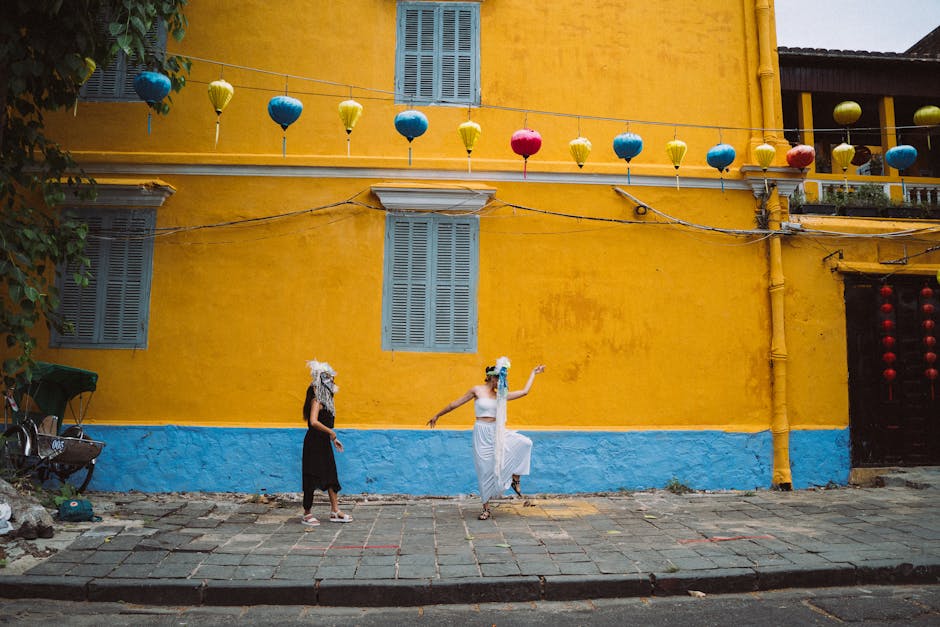
Last thing: know the line between appreciation and appropriation. Wearing traditional attire is okay if it’s done respectfully and with context but costumes without understanding are where things go wrong. Ask questions. Do your homework. It’s not about walking on eggshells it’s about showing up with respect.
Bonus Resource
More on Global Reach of Chinese New Year Celebrations