Why Cultural Immersion Changes Everything
Seeing a place doesn’t mean you’ve understood it. Real travel begins when you stop observing and start participating. That shift from being a passive outsider to an active listener is what separates tourists from travelers. And it’s where growth happens.
Cultural immersion means stepping inside someone else’s daily rhythm. It’s waking up to the local sounds, eating food that wasn’t adjusted for your preferences, and learning to communicate beyond language. It’s noticing how different social norms really are, and realizing your own aren’t universal. Those moments of dissonance spark perspective. You’ll question assumptions you didn’t even know you had.
When you move past the highlight reels and into the complexities of real life, you’re not just collecting experiences you’re reshaping how you see the world. It takes humility. It takes presence. But the payoff is big: deeper understanding, richer memories, and a wider lens through which to view both others and yourself.
Beyond Landmarks: Shared Human Moments
The aha moments in cultural travel don’t usually happen in front of monuments. They happen when you’re sitting on a woven mat at a wedding you weren’t planning to attend. Or crouching next to a village grandmother while she shows you how to twist palm leaves into something useful. It’s messy, unscripted, and real and that’s the point.
Attending local festivals or religious ceremonies is one of the fastest ways to plug into a culture’s heartbeat. You see the colors, hear the stories, feel the tempo of life as lived by the people who call that place home. It’s also a humbling reminder: you’re stepping into something bigger than yourself.
Meals matter, too. Not the Instagram ready food tours, but the slow, home cooked lunches where no one’s performing. Sharing a table with a family in a remote village shows you how locals eat, how they joke, pray, argue, share. That’s connection the kind you can’t Google.
Want to go even deeper? Get your hands dirty. Traditional crafts like weaving or farming are skill passed down over generations. Whether you’re learning a dance or planting rice, you’re not just there to observe you’re participating. In those quiet, in between moments, identity becomes more than a word. It becomes lived experience. It becomes yours to carry forward.
This is where perspective shifts. Not because someone gave you a lecture but because you showed up, listened, and learned the hard and beautiful way.
Travel as a Two Way Street
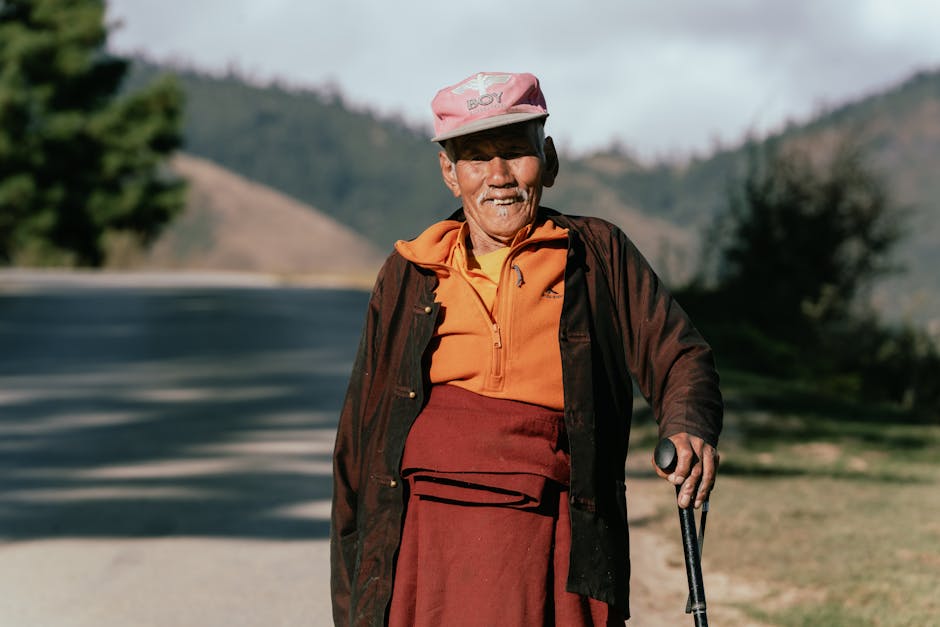
Cultural travel isn’t just about what you take away it’s also about what you give. Immersive, ethical travel is built on mutual respect and learning, where both travelers and host communities benefit from meaningful exchange.
How Cultural Exchange Benefits Both Sides
Authentic interaction goes beyond surface level tourism. When done right, cultural exchange can:
Promote mutual understanding across cultures
Provide economic and social support to local communities
Allow travelers to gain insights they can’t find in guidebooks
Foster dialogue that breaks down stereotypes and builds trust
Local hosts often gain visibility and income, while travelers leave with fresh, more informed perspectives.
Practicing Respectful Curiosity
It’s okay and encouraged to be curious. But how you ask questions matters just as much as what you ask.
Tips for mindful engagement:
Ask open ended questions without judgment
Be aware of body language and tone
Don’t assume ask permission before participating or photographing
Learn a few words of the local language to show respect
Curiosity becomes disrespectful only when it centers the traveler’s comfort and perspective over the host’s experience.
Navigating Sacred and Sensitive Spaces
Some cultural practices, sites, or ceremonies are not meant to include outsiders. Understanding where participation is welcome and where it’s not is key to ethical travel.
Before joining or observing a cultural practice, ask yourself:
Is this an event open to outsiders?
Have I been explicitly invited or given permission?
Am I intruding on a private or sacred moment?
If in doubt, step back. Listening is sometimes more powerful than participating.
Approaching cultural travel with humility ensures that exchange remains respectful and mutually enriching.
Building Bridges Through Culture
Real cultural exchange strips away ego. Sitting barefoot in someone else’s home, listening more than speaking, you start to understand how small your worldview actually is. The assumptions you thought were universal how people greet one another, what qualifies as polite start to melt. What grows in their place is empathy, a kind of quiet respect that doesn’t shout, just notices.
When you’re welcomed into a culture that isn’t yours, there’s a certain kind of vulnerability. You’re not there to perform, or to judge. You’re a guest, and when you’re offered a seat at the table literally or metaphorically it’s humbling. You see the care in how food is prepared, the rhythm of daily life, and the pride in traditions built long before you showed up with a backpack.
These moments don’t need to be grand. Sometimes it’s helping shell beans with a family in a courtyard. Or learning how to dance and messing it up, badly while everyone cheers you on anyway. That’s where the real connection happens. It doesn’t just teach you about others, it reminds you how much you still have to learn. And that might be the most powerful takeaway of all.
Where to Start Your Own Immersive Journey
If you want culture, skip the hotel coffee bar and start with where you sleep. Homestays, local guesthouses, or even community run hostels put you closer to daily life and the people living it. It’s the difference between watching a place happen and being part of it.
Timing matters too. Traveling during cultural festivals or even the off season gets you past the polished performances. Off season means fewer tourists, more chances to have real conversations. Festivals offer raw, communal energy that no tour can recreate just remember, you’re a guest. Show up with curiosity and a low profile.
Volunteering or joining hands on workshops whether it’s cooking, farming, or dance turns passive watching into active learning. These aren’t just TikTok moments. They’re humble reminders that culture is work, skill, and heart passed down person to person.
And yes, do your homework. Read local history. Get to know key customs and what not to do (or say). The fewer surprises you cause, the more doors tend to open. It’s respect, plain and simple.
Want to go deeper? Check out our full cultural tourism guide.
Travel That Transforms
Cultural travel isn’t about ticking boxes, snapping selfies, or chasing Wi Fi. It’s about paying attention about stepping into someone else’s world and letting it teach you something. The best trips leave you quieter, more alert, less sure you know it all. That’s the point.
If you’re doing it right, you don’t come home the same. You come back with a little more patience, a little less ego. Maybe you’re more curious. Maybe you ask better questions. Either way, real travel leaves a mark and that means being open enough to let it.
So take the trip, but don’t stop there. Keep reading. Keep asking. Keep listening. Let every border you cross, literal or otherwise, stretch you a little beyond where you started.
Explore our full cultural tourism guide for a deeper roadmap into immersive, human first travel.