

You’re staring at your phone. Scrolling through a stock app. See “Ftasiastock” listed right next to AAPL and TSLA (and) you pause.
Is this a scam? A joke? Or something you’re supposed to be trading right now?
I’ve watched people do that exact thing. Hundreds of times.
It’s not real money. It’s not real risk. But it’s also not pretend.
Ftasiastock is a simulation (built) on live market data, real tickers, actual price feeds. But designed so you can make decisions, feel the weight of them, and learn from the fallout. No broker account.
No margin call. No shame.
I’ve built these platforms. Tested them in high school classrooms where kids traded for the first time. Ran them in university finance clubs where students argued over portfolio plan at 2 a.m.
Taught them to adults who’d never opened a brokerage app before.
Theory doesn’t stick until you do.
And doing shouldn’t cost you anything.
This article cuts through the confusion. No jargon. No hype.
Just how it works. And why it matters if you want to understand markets without losing sleep (or cash).
You’ll walk away knowing exactly what Ftasiastock is. And why it’s worth your time.
How Fantasy Stock Actually Runs
I set up a virtual portfolio. Then I watch real stock prices move. With a 15-minute delay.
Ftasiastock feeds data from NYSE and NASDAQ. Not live. Not streaming.
That delay isn’t a bug. It’s the point.
Delayed. So you can’t front-run news or chase pumps. You learn timing, patience, and what actually moves markets.
Trade execution is instant in the sim. But your order doesn’t hit a real exchange. No slippage.
No liquidity traps. Just clean fills at the delayed price.
Performance tracking updates daily. You see gains, losses, volatility (all) tied to your choices. Not luck.
Not algorithmic noise.
Leaderboards show who’s consistent. Not who got lucky on Tesla last week.
Teacher mode? I assign stocks, lock trading windows, add reflection prompts after each week. “Why did you hold when it dropped 8%?” Real talk.
Self-paced mode? You go solo. Set your own rules.
Try value investing. Or momentum. Or just test dumb ideas safely.
Tournament leagues run 6-week sprints. Teams of three. Public rankings.
Bragging rights only. No money changes hands.
Here’s what’s not in the sim: margin calls, tax calculations, or fractional share rounding errors.
That’s intentional. This isn’t Wall Street. It’s practice.
With guardrails.
You don’t need a finance degree to start. You just need to click.
Does that sound like learning. Or just playing? (It’s both.)
Why Stock Simulators Lie to You
Most stock simulators are just gambling with training wheels.
They reward fast clicks. Or lucky guesses. Not thinking.
I’ve watched people win big in those apps (then) lose real money the second they went live. (Spoiler: it wasn’t their fault. The tool trained them wrong.)
Fantasy Stock flips that. It forces you to set goals before buying. Decide position size before clicking.
Build thematic portfolios (not) random tickers.
That’s pedagogical scaffolding, not polish.
Pre-trade checklists? Built in. Post-trade reflection prompts?
Yes. “What if this paid dividends?” toggle? Yep.
Other simulators bury scoring behind mystery math. Fantasy Stock shows you exactly how points are earned (and) why.
No historical replay? They don’t have it. Fantasy Stock does.
Zero feedback loops? They ignore your mistakes. Fantasy Stock asks: What would you change next time?
You’re not practicing trading. You’re practicing judgment.
And judgment doesn’t scale with speed. It scales with repetition, reflection, and honesty.
Ftasiastock isn’t another simulator. It’s the first one that treats learning like learning. Not like a game show.
Try it. Then go back to the others. You’ll feel the difference in five minutes.
Fantasy Stock Isn’t Practice (It’s) Habit Training
I used to think fantasy stock was just play money. Then I watched people build real discipline with it.
You don’t learn investing by memorizing terms. You learn by doing the same thing, week after week, until it sticks.
Three habits click into place fast:
- Scanning earnings dates before you pick a stock
- Writing down why you felt frustrated after a loss (and) checking if your thesis still held
Start with $10,000 virtual. Use free ETF screeners to split across sectors. Not randomly, but based on what you actually want to understand.
Journal one insight every Sunday. Not “I made money.” Try “I ignored Fed commentary again (and) got burned.”
Fantasy Stock avoids gamification traps. No loot boxes. No surprise bonuses.
Rewards only come from process: Did 80% of your trades cite news? Did you size positions the same way each time?
That’s how a student opened a custodial Roth IRA after 12 weeks. She didn’t wait for permission. She’d already built the muscle.
The Ftasiastock habit loop works because it mirrors reality. Without the risk.
If you’re tracking behavior, not just prices, you’ll notice patterns fast. Like how often you chase momentum. Or skip reading the fine print.
I’ve seen people go from “What’s an ETF?” to filing their first tax form on real gains. The shift isn’t magic. It’s repetition.
Check the Ftasiastock market trends from fintechasia if you want raw data (not) hype (to) test your assumptions.
Fantasy Stock Platforms: What Actually Works
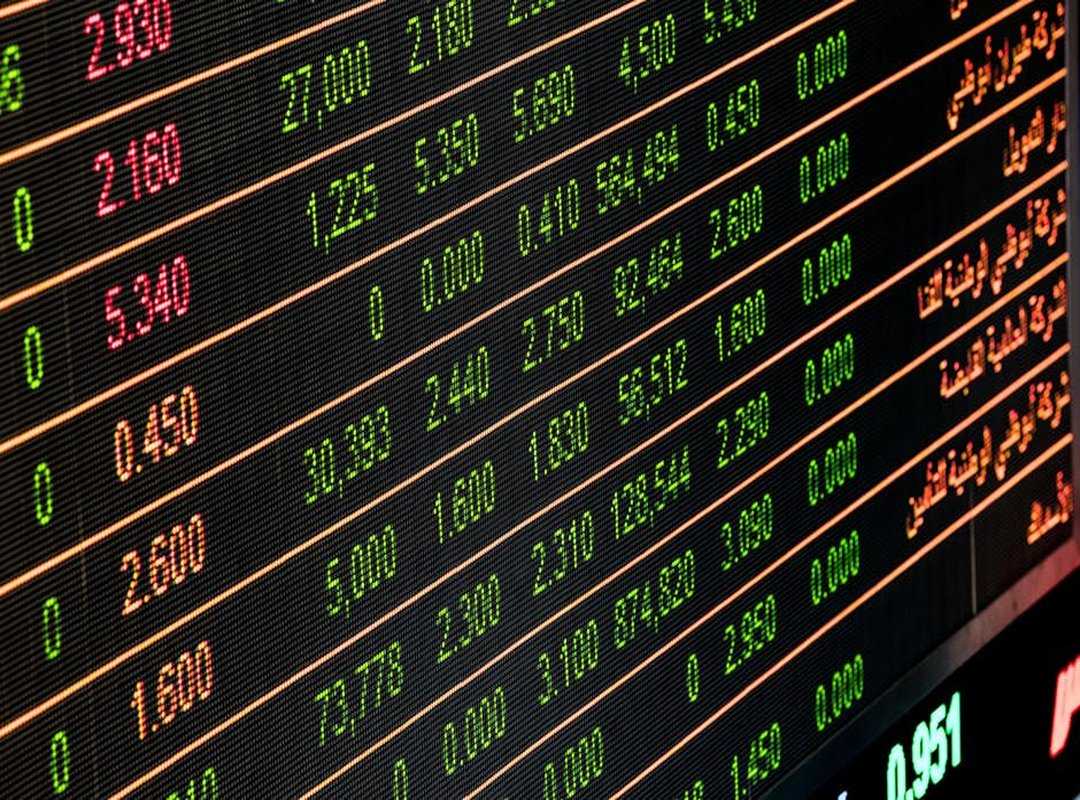
I’ve tested over a dozen. Most fall apart in week two.
Real-time data isn’t optional. If it’s delayed, it must say how much. No hiding behind “market data” jargon.
You need to export your trade history. Not just view it. Not just screenshot it. Export it.
Custom watchlists?
Non-negotiable. You’re not tracking 500 stocks manually.
Mobile-responsive means it works on your phone without zooming. Not “sort of okay.”
An educator dashboard matters only if you’re teaching. Otherwise?
Ignore the fluff.
Red flags? Credit card required for “free” access. Fees buried under “premium tiers.” No clear source for stock prices (Bloomberg?
Nasdaq? Your cousin’s spreadsheet?).
Platform A nails classroom tools but has zero replay function. Platform B gives clean exports and live data (but) watchlists reset every time you close the browser. Platform C handles clubs well, yet its mobile layout breaks on iOS Safari.
Are you using this solo? With students? In a club?
Start here…
Ftasiastock is one option. But check its data delay label first.
Pro tip: Try exporting a trade log before you commit. If it fails, walk away.
Beyond the Game: Real Confidence Starts Here
Fantasy stock isn’t play money. It’s pattern training.
I spot sector rotation in Ftasiastock before CNBC mentions it. Not magic (just) repetition. My brain now flags lagging tech stocks when semiconductor orders dip.
Same neural wiring used for real trades.
You think “If it’s not real money, does it matter?”
It matters more. Behavioral finance studies show simulated practice reshapes how you assess risk (Kahneman & Tversky, 1979). Your amygdala calms down.
Here’s your bridge exercise:
Pick one Fantasy Stock trade you made last month. Pull the company’s latest 10-Q filing. Compare your original thesis to what’s actually happening.
Your prefrontal cortex stays online.
Not just earnings, but inventory levels, capex trends, debt covenants.
Confidence doesn’t come from being right.
It comes from knowing why you were wrong. And having the 10-Q proof in front of you.
That’s where real edge begins. Not in guesses. In evidence.
Your First Trade Starts Now
I’ve watched people wait years for the “right time” to learn markets. They don’t need more knowledge. They need action.
Ftasiastock fixes that. No money down. No risk.
Just real stocks, real data, real decisions.
You’re stuck because you think learning means memorizing charts or reading five books first. It doesn’t. Learning means placing one trade.
Based on one earnings report (and) watching what happens.
So open a free account. Set up your $10,000 fantasy portfolio. Place that single trade.
Then ask yourself: What did I actually feel? What surprised me? What would I do differently tomorrow?
Your future financial self is already watching.
Give them something real to learn from.
Do it now.