Strategic Fault Lines Are Shifting Fast
The global power map isn’t what it used to be. Traditional alliances from NATO to the old G7 framework are feeling the strain. Internal divisions, shifting national interests, and the rise of regional players have loosened long standing ties. Trust, once taken for granted among allies, is now being negotiated moment by moment.
Meanwhile, new power blocs are forming fast. Countries once seen as non aligned are choosing sides or forming their own. Security focused groups, energy deals, currency pacts everything’s on the table. Some of these alliances are short term and tactical, others look more permanent. But the common thread? Survival in a more unpredictable world.
The global balance of power hasn’t been this unsettled in decades. For now, it’s less about who’s leading and more about who’s adapting fastest.
The Role of Regional Flashpoints
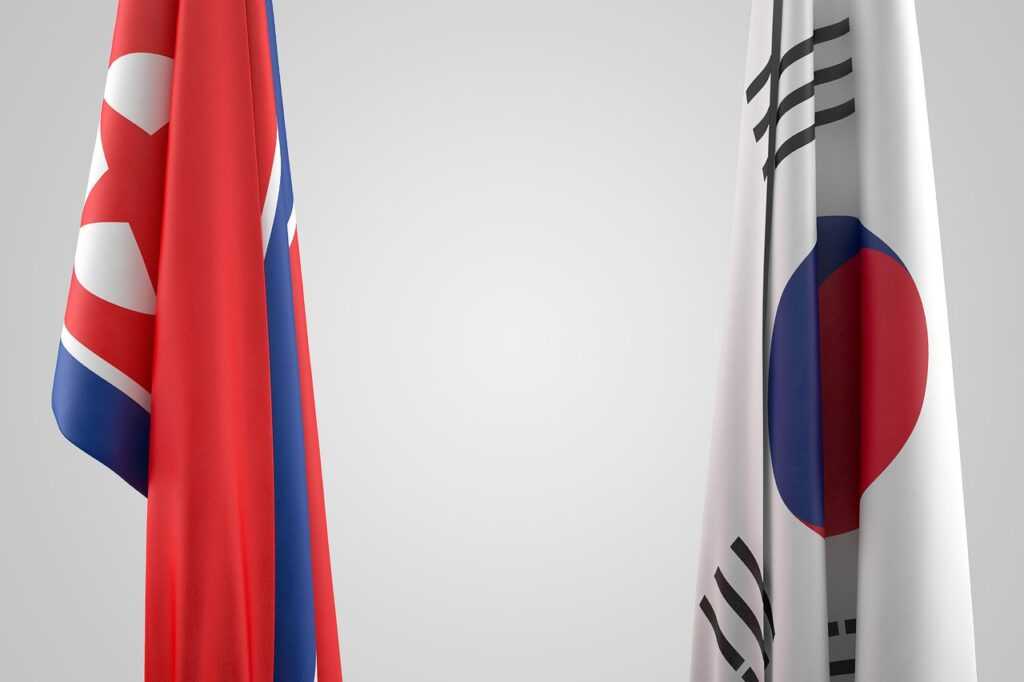
Geopolitical tension isn’t theoretical anymore it’s mapped to real places, with real consequences. Ukraine remains ground zero in the standoff between Russia and the West. Taiwan continues to test red lines between China and the U.S., each move watched like a chess match. And as the Arctic thaws, countries are eyeing untapped resources and shipping routes, turning ice into ambition.
These flashpoints are forcing old alliances to rethink priorities. NATO is stretching beyond its historical comfort zone. ASEAN is walking a tightrope between economic ties to China and security cooperation with the U.S. QUAD partners are edging closer to more formal security coordination, tacitly acknowledging that regional tensions may demand more than joint statements.
Meanwhile, the economic map is shifting just as fast. BRICS has ballooned into BRICS+, adding countries looking for alternatives to Western led systems. That expansion isn’t just about trade, it’s about influence who gets a seat at the next global table. It’s competition by invitation.
For a focused look at one of the most volatile zones shaping these dynamics, here’s a deep dive into the South China Sea.
Economic Security Replacing Globalization

The open world economy model is cracking. Nations are pulling production closer to home, cutting dependency on rivals, and favoring suppliers they trust over those that simply offer the lowest prices. It’s less about global efficiency now, and more about national security.
This shift is most obvious in critical sectors semiconductors, energy, pharmaceuticals. Countries are stockpiling, subsidizing domestic industry, and building up capacity they can control. Allies are in, near peer competitors are out. If your supply chain runs through a political headache, it’s being rerouted.
Sanctions have become routine. They’re no longer just a last resort they’re policy tools used to shape behavior and assert power, from trade restrictions to financial freezes. In this climate, economic resilience isn’t a buzzword it’s a strategy. Nations that can source from friendly partners or go it alone have the edge.
For businesses and governments alike, the message is simple: globalization is no longer neutral. Economics and geopolitics are now locked in a permanent dance.
The Rise of Tactical Partnerships
In 2026, alliances are less about inked treaties and more about shared urgency. Countries are skipping the slow dance of formal agreements and moving straight to action striking flexible, interest driven partnerships focused on results. Cooperation is happening where it matters most: military, technology, and intelligence. If it’s critical and time sensitive, it’s on the table.
These deals aren’t necessarily long term or deep rooted. They’re pragmatic. One nation supplies drones, another shares intel, a third grants strategic airspace access. The goal isn’t permanence; it’s deterrence. Respond fast, adapt faster, and move on if needed.
Informal coalitions are popping up across regions unpublicized, often temporary, but highly effective in projecting strength or coordinating defenses. This isn’t about lofty ideals. It’s about survival, leverage, and influence in a world where threats don’t wait for treaty signatures.
Diplomatic Realignments: Who’s Teaming Up
Middle powers aren’t waiting for orders anymore. India, Brazil, and Turkey are stepping out of the shadows of traditional alliances and choosing their own terms. They’re striking defense deals, energy pacts, and tech partnerships based on national interest, not old loyalties. This independence isn’t about going rogue it’s about going strategic.
The West is adjusting. The U.S. and EU, once confident in their global pull, are now reworking their approach to the Global South. Aid, infrastructure investment, and climate diplomacy are being used as soft levers to rebuild trust and keep influence alive. But it’s not a one sided game anymore.
China and Russia see the same opening. Both are ramping up engagement, especially in Africa and Central Asia. For China, it’s more Belt and Road recalibrations, more resource deals, more tech exports. For Russia, it’s military cooperation and energy leverage. Each power is carving out zones of alignment in a world where allegiances are less permanent and more transactional.
And while high level diplomacy plays out, another key front is heating up. South China Sea tensions continue to shape military priorities, maritime strategy, and regional alignments. It’s not just where countries stand, but how quickly they’re willing to shift with eyes wide open, and interests front and center.
What It Means Going Forward
Global governance isn’t keeping pace. The institutions built after World War II like the UN, WTO, and even the G20 are showing their age. Decision making is slow. Consensus is brittle. And many rising powers feel sidelined. Meanwhile, critical challenges like cybersecurity, artificial intelligence, and climate security don’t have clear rulebooks or enforcers.
As the gap widens between global systems and political realities, the risk of escalation both military and economic grows. But there’s another side. Strategic innovation is quietly accelerating. Countries are experimenting with new formats: minilateral pacts, digital first diplomacy, agile defense networks. The old alliances may be straining, but a new operating system is being written, in real time.
The nations willing to adapt quickly, align flexibly, and invest smartly in influence not just firepower will shape what comes next. The global order isn’t collapsing, it’s updating. Just not evenly, and not for everyone.