Media as the First Lens
When a crisis erupts somewhere in the world a war, a natural disaster, a political collapse most people outside that region learn about it through major media outlets. CNN, BBC, Al Jazeera, and others act as the first point of contact, shaping our initial understanding of what’s happening. For better or worse, these organizations become the storytellers, deciding what to show, how to show it, and when to show it.
That’s where framing comes in. The language used (“rebel” vs. “terrorist”), the images selected (burning buildings vs. peaceful protests), even the soundtrack or headline tone all of it influences how a viewer interprets the event. It’s not just about facts; it’s about the emotional framing of facts.
Take the Israeli Palestinian conflict, or Russia’s invasion of Ukraine. In both, headlines, image choices, and editorial angles have varied wildly by outlet and region. In one version, one side is defending freedom. In another, it’s committing aggression. Audiences develop deeply different understandings based not on what happened, but on how it was presented.
This framing power doesn’t just shape opinions; it shifts global sentiment and sometimes, policy. What gets repeated becomes the default narrative. And in international crises, the first version people hear often sticks longest.
Social Media’s Double Edged Role
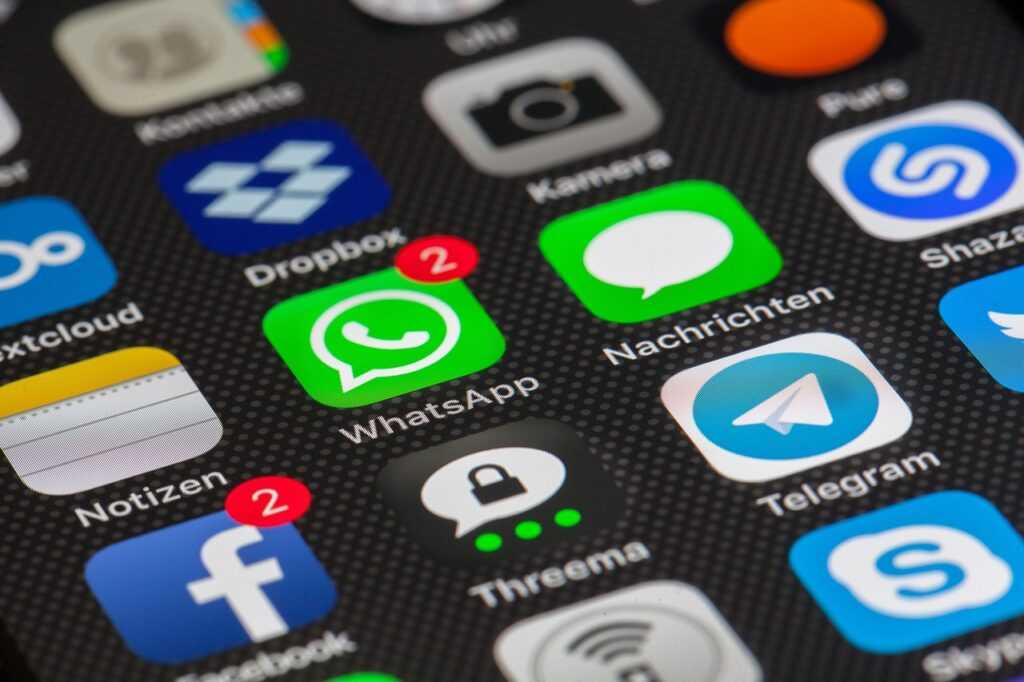
Social media doesn’t wait for fact checkers. In a world where attention moves fast and facts travel slower, decentralized storytelling is everything. Regular people with smartphones are now frontline reporters. That shift pulls narrative control away from traditional newsrooms and hands it to whoever posts first.
In this environment, virality often decides which version of a crisis becomes real for the public regardless of accuracy. A clip recorded on a phone, stripped of context, can rack up millions of views before breakfast. Suddenly, perception is formed. Opinions harden. Decisions get made.
But this speed comes at a cost. Misinformation spreads as quickly as the truth sometimes faster. Platform algorithms reward engagement, not accuracy. Editorial oversight barely exists. That means the line between coverage and chaos gets blurry real quick. Viewers struggle to separate urgent reality from amplified spin.
Read more here for wider context: social media impact.
Regional Media Dynamics

No two countries tell the same story the same way. When a major global crisis breaks be it war, political upheaval, or natural disaster how it’s covered varies wildly based on geography. Local media often align with the agendas, fears, or interests of their governments or dominant political groups. What’s framed as liberation in one country might be painted as rebellion in another. The facts may be similar, but the lens is rarely neutral.
In places with strong government influence over media, narratives are tightly controlled. Details are cherry picked. Certain voices are amplified, others silenced. Even in democratic nations, newsroom culture, national priorities, and audience expectations shape what gets reported and how urgently.
Complicating this further are media silos bubbles of information shaped by language, algorithms, and social behavior. If you’re in one country, there’s a good chance your feed looks nothing like someone else’s across the border. This affects how populations understand global events, whom they empathize with, and what they demand from their leaders. For vloggers and creators, recognizing these fractures matters. The starting point for any story isn’t just the facts it’s the filter.
Visuals, Language, and Emotional Impact
When it comes to international crises, images speak harder and faster than words. You can scroll past a dozen headlines, but one raw photo burning buildings, injured civilians, a child behind barbed wire freezes you. Visuals compress complex situations into instant emotions: fear, anger, sympathy, or anxiety. Unlike text, which you unpack piece by piece, images ambush perception. That’s why news outlets and social media posts rely so heavily on visuals they bypass debate and hit straight to the gut.
Repetition plays its part too. The more we see something, the more urgent or inevitable it feels. Selectively showing only certain events protests without context, destruction without explanation can distort reality. It’s not always what’s shown, but what gets left out that quietly shapes beliefs. Repetition can fuel outrage or lull us into fatigue, depending on how often we see and stop reacting to the same type of footage.
Then there’s language. The labels applied to people and groups in conflict can steer perception without viewers realizing it. “Freedom fighter” carries honor. “Terrorist” invites fear. “Militant” sits somewhere murky in between. These words frame legitimacy, morality, and intent all with just a single noun. News is never just information; it’s also persuasion, built line by line, frame by frame.
The News Ecosystem’s Influence on Policy
When media puts a crisis on screen, policymakers start taking notes. Whether it’s refugee camps stretching across borders or towns underwater after a hurricane, sustained coverage creates moral pressure. That pressure often builds into budget reallocations, emergency aid approvals, or even direct diplomatic action. What the public sees and cares about has a direct line to government response.
Look at the Syrian refugee crisis. When iconic photos, like the image of a drowned child on a Turkish beach, went viral, aid pledges surged overnight. Suddenly, governments facing months of inaction were funneling support into NGOs and border infrastructure. Another example: when the 2010 Haiti earthquake hit, daily media attention fueled billions in international donations within weeks. It became impossible for leaders to ignore.
But the inverse matters too. When media cameras don’t show up, or coverage fades quickly, the political momentum stalls. Crises in places like Yemen or the Central African Republic struggle for attention despite staggering human tolls. With little exposure, there’s no public outcry and no urgency for policy change.
Media doesn’t just tell stories. It sets the tone for who gets help, when, and how much.
Final Takeaway
In a world of 24/7 news and firestorm headlines, staying informed means looking beyond one feed or outlet. No source is entirely neutral. Each brings its own angle sometimes subtle, sometimes not. That’s why relying on multiple sources isn’t just smart; it’s necessary.
Comparing how different media frame the same event gives you a more complete picture. It’s not about choosing sides it’s about understanding scope, tone, and what might be intentionally left out. Skimming across narratives isn’t confusion; it’s calibration.
And that’s where media literacy comes in. This isn’t an academic skill anymore it’s survival. Knowing how to spot bias, question framing, and track the origin of information helps cut through distortion. With global crises unfolding in real time, the ability to think critically about what you’re consuming is as important as the content itself.
To dig deeper into this evolving space, read The Impact of Social Media on Global Politics for more context on digital influence.