What Makes Diwali Special on the Ground
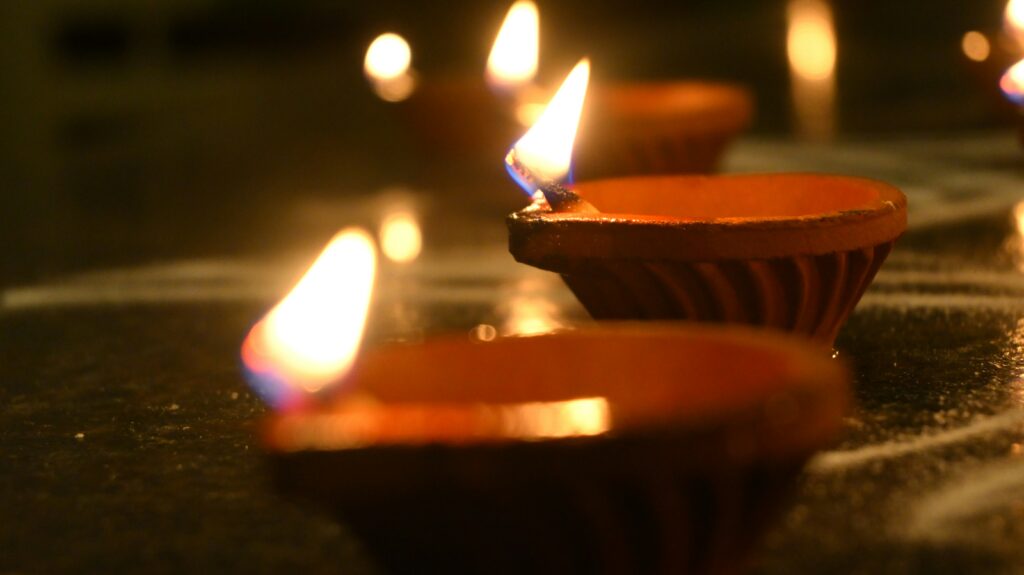
Diwali is often described as the Festival of Lights, but that barely scratches the surface. In India, it’s five days of motion rituals, food, family, firecrackers, and a pulse you can actually feel in the streets. Each day has its own vibe, its own rituals. Houses are scrubbed clean, then dressed in color with rangolis and rows of diyas. The smell of incense and fresh sweets fills the air. Crackers start early, end late.
When you’re in India for Diwali, you don’t watch it you live it. Temples thrum with chants. Neighbors drop by with gifts. Kids run wild under showers of sparklers. There’s this mix of chaos and ceremony that doesn’t translate through a screen. It hits you in all the senses.
From afar, Diwali can feel like a highlight reel some fireworks, a few posts about tradition, maybe a recipe. But on the ground, it’s immersive. It gets under your skin. The sound of aarti at sunset, the warmth of shared sweets passed across doorsteps that’s what sticks with you. That’s what makes it special.
Cities That Light Up Best for Diwali
Diwali in India is more than firecrackers and sweets it’s a full body, five senses celebration. And while nearly every town throws its own kind of party, these four cities take it to another level.
Varanasi: This city feels ancient, otherworldly and Diwali here only amplifies that. Picture the Ganges lit up with rows of floating diyas (oil lamps), priests performing the Ganga Aarti in a rhythmic blur of fire and chants, and air so thick with incense and marigolds it feels like a different realm entirely. If Diwali has a spiritual capital, this is it.
Jaipur: The Pink City doesn’t just glow it blazes. Shopfronts, forts, and even alleyways are layered in golden light. Street dancers pull crowds next to vendors selling everything from bangles to mithai. Add in fireworks echoing off palace walls, and you’ve got a Diwali that feels cinematic.
Amritsar: At the heart is the Golden Temple, glowing brighter than ever during Diwali. Thousands of lamps float in its sacred pool while fireworks drift above. It’s less chaos, more calm perfect if you’re looking to soak in the spiritual side without the decibel overload.
Mumbai: It’s fast, glitzy, and doesn’t stop. Diwali here means rooftop parties in high rises, neighborhood aartis, Bollywood music blaring somewhere in the background, and the sea breeze cutting through the smog. It’s a blend of old traditions with new swagger.
For deeper festival insights, see our Diwali festival guide.
Insider Tips for an Authentic Experience

If you really want Diwali to hit different, don’t just be a spectator get in the mix.
Start by staying with a host family if you can. Hotels are fine, but they filter out the chaos, joy, and layered traditions that make the festival what it is. In a real household, you’ll see everything up close: from early morning oil baths to late night card games and prayers. You don’t watch the celebration you become part of it.
Next, do your shopping early. Local markets go into overdrive about a week before Diwali. Chandni Chowk in Delhi buzzes with color, lights, and everything from sweets to lanterns. In Kolkata, New Market explodes with fabrics and bangles. It’s more than retail therapy it’s cultural immersion.
Speaking of sweets, say yes. Just say yes. Whether it’s ghee laden laddoos in Jaipur or pistachio dusted barfis in Mumbai, trying local sweets is practically a ritual. There’s no wrong choice just don’t skip the mithai.
And dress the part. Wear what the locals wear, or at least try. A simple kurta or a bright sari doesn’t just look good it signals respect. Plus, it makes photos 100x better. Bonus: locals love when visitors make the effort.
Do these four things, and you won’t just see Diwali. You’ll feel it.
Mindful Travel During Diwali
Diwali in India is unforgettable but not without its challenges. Fireworks are a big part of the celebration, but they also come with serious downsides: smog, noise, and pollution. In recent years, more cities and locals have opted for greener options like laser shows or community light displays. If you’re celebrating in India, consider supporting these initiatives. They’re just as dazzling, and a lot better for your lungs.
Respect is key. To some it’s a party, but for many it’s a deeply spiritual time. Temples will be busy with prayers, homes will be undergoing rituals, and there’s a sense of reverence in the air. Dress appropriately, behave considerately, and maybe skip the late night ragers.
Also, brace yourself for public transport mayhem. Trains, buses, and even taxis get booked out or delayed. Expect gridlock near major venues. Best move? Plan early, stay flexible, and prepare to walk more than usual.
Need the full festival breakdown? Read the full Diwali festival guide
Final Pointers for First Timers
Even a handful of local words can open a lot of doors. A simple “Shubh Deepavali” which means “Happy Diwali” is more than just a greeting. It shows respect. People notice when travelers make the effort, and during a festival rooted in human connection, that goodwill matters.
Yes, bring your camera or your phone, or whatever you shoot with. Diwali is packed with color, movement, and once a year magic. But remember to look up from the lens. Not everything has to be posted. Some scenes families praying together, a child lighting a sparkler for the first time, the hush just before a diya is floated on the water are best kept between you and the moment.
Above all, don’t just watch the lights. Understand what they mean: hope over fear, good over evil, clarity over doubt. Take that in. Make some space for it. Because that’s the heart of Diwali and being there, really there, is the biggest win.