
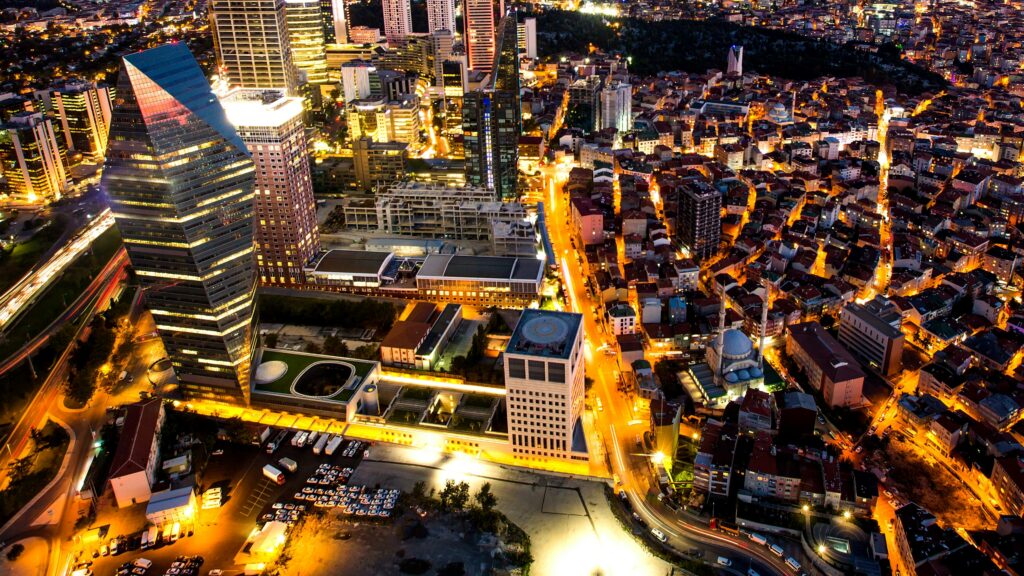
Smarter Infrastructure, Better Daily Life
Cities are no longer static. They think, react, and adjust especially when it comes to how people move and use resources. Across the globe, traffic light systems are getting an upgrade. In Los Angeles, adaptive signals use real time car and pedestrian data to ease congestion and cut idle time. No more waiting at empty intersections. In Singapore, traffic sensors feed data to a central system that syncs lights dynamically based on flow, not rigid timing.
Utilities are also seeing a smarter turn. In Amsterdam, residents benefit from intelligent grid systems that balance electricity loads automatically, shaving off peak time costs and limiting blackouts. Sensors detect when demand spikes and adjust distribution in real time. It doesn’t just make the system faster it makes bills cheaper.
Meanwhile, waste and energy systems are quietly transforming thanks to IoT. In Seoul, smart bins monitor fill levels and alert sanitation crews before they overflow trips are optimized, fuel is saved, and public spaces stay cleaner. Barcelona, on the other hand, uses IoT sensors to track citywide energy use, allowing departments to shut down underused spaces, lower lighting at off peak hours, and alert maintenance teams before breakdowns happen.
Each of these systems isn’t flashy but it adds up to smoother, cleaner, more cost efficient cities. The goal isn’t to impress. It’s to work better, behind the scenes.
Real Time Data, Real Results
Smart cities run on data, but not just any data anonymous, aggregated data streams that help local governments keep things moving and people safe. Sensors built into traffic systems, power grids, and waste networks are constantly feeding information into dashboards that decision makers actually use. It’s not sexy, but it works.
Predictive analytics is one of the sharper tools in the kit. Cities are mapping historical trends alongside live inputs to forecast public transportation needs and even anticipate spikes in criminal activity. Got a transit line that regularly logs delays during Friday rush hour? That gets flagged and adjusted. A particular street sees petty crime jump after midnight? Patrol patterns quietly get tweaked. No fanfare. Just smarter planning.
And the tracking doesn’t stop there. Big urban centers are turning to sensors to monitor noise levels, air quality, and utility flows in real time. If pollution edges too high in a certain zone, bikes and buses reroute. If power consumption climbs faster than expected, distributed energy systems shift the load. It’s quiet optimization running in the background, but felt everywhere.
Bottom line: the data is silent, but cities are listening.
Sustainability at the Core

Smart cities aren’t chasing sustainability as a trend it’s baked right into the infrastructure. Buildings now come equipped with intelligent energy systems that learn from usage patterns to reduce waste. These systems track lighting, heating, and cooling in real time, adjusting to actual demand. Less waste, lower bills.
But it goes beyond buildings. Cities are now analyzing live energy data to shrink their carbon footprints at scale. Whether it’s redirecting power use during off peak hours or spotting failing equipment before it burns unnecessary energy, the efficiency is deliberate and measurable.
On rooftops, green spaces are making a comeback with a tech twist. smart farming initiatives and rooftop gardens are turning idle space into micro farms that regulate building temperatures, absorb CO2, and grow local produce all while being monitored and optimized by sensors. Urban sustainability is no longer an ideal. It’s functional, wired, and working.
Safety, Connectivity, and Cybersecurity
Smart cities are getting sharper when it comes to public safety and it all hinges on connectivity. Connected surveillance systems aren’t just watching; they’re thinking. AI enabled cameras can flag unusual behavior or track movement patterns in real time, cutting response time when emergencies strike. It’s not about control it’s about fast, targeted help when and where it’s needed.
Citizens play a role, too. With apps and embedded systems in place, people can report issues, trigger alerts, or request assistance in seconds. The feedback loop between city services and residents is faster, leaner, and more effective than ever before.
But all that connectivity introduces new risks. More tech means more entry points for cyber threats. That’s where global cybersecurity efforts step in. Protecting smart infrastructure from hacks, breaches, or shutdowns is now a shared responsibility across nations and platforms. It’s not optional it’s foundational.
For a full look at how cybersecurity is being coordinated across borders, visit global cybersecurity efforts.
Global Collaboration and Next Steps
Smart cities aren’t evolving in silos. From Amsterdam to Accra, municipalities are sharing the code, the data models, and the real world fails that make these systems smarter with time. It’s open source urbanism cities learning from each other, borrowing what works, hacking what doesn’t, and saving time and money in the process.
A major shift is also unfolding in the Global South. Local governments are tailoring tech to unique challenges: solar powered sensors in remote villages, low bandwidth systems for traffic in sprawling metros, and mobile driven platforms that bypass hardware heavy setups. These regions aren’t just catching up they’re shaping solutions with constraint focused creativity.
What remains constant, regardless of geography, is the push for equity, strong privacy fundamentals, and long term resilience. Smart doesn’t mean surveillance. It means responsive systems that work for everyone, not just those in high income neighborhoods or fast Wi Fi zones.
For a closer look at how cross border digital coordination is strengthening this ecosystem, see more on global cybersecurity efforts.