Ukraine and the Frozen Frontline
A War of Attrition Enters Its Fifth Year
The Ukraine conflict has entered its fifth year, marked not by major territorial changes but by a grinding war of attrition. While the frontlines remain largely stagnant, the strategies on both sides continue to evolve.
Russia leans into asymmetrical tactics: drones, cyberwarfare, and sabotage
Ukraine focuses on defensive reinforcements and limited counteroffensives
Weather, terrain, and troop fatigue slow dramatic shifts in momentum
Western Aid vs. Russian Adaptation
In 2026, Western nations have ramped up military assistance to Ukraine. This includes advanced air defense systems, long range artillery, and intelligence sharing programs. However, Russia has countered with unconventional approaches that challenge traditional warfare tactics.
Increased Western Support: Equipment, training, intelligence
Russian Tactics: Psychological operations, energy weaponization, disinformation campaigns
Human Toll and Civilian Resilience
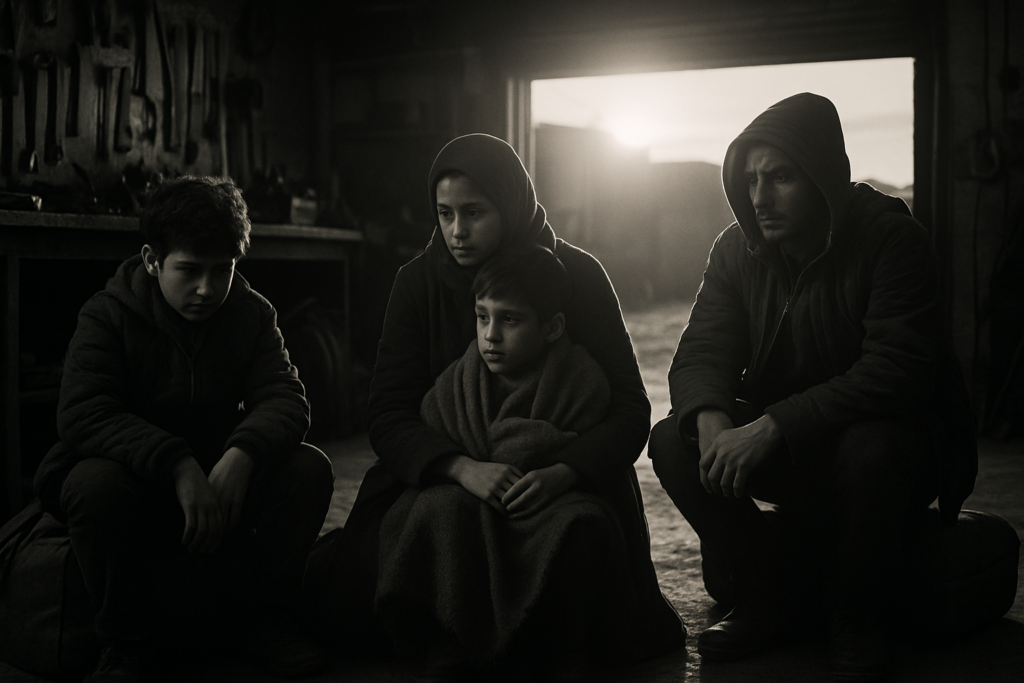
Beyond the battlefield, the toll on civilians continues to be immense. Displacement remains a critical issue, with millions still unable to return home. However, signs of civilian resilience through community rebuilding, volunteer networks, and educational initiatives offer glimmers of hope.
Thousands of towns remain in recovery limbo
Populations adapt with mobile schooling and local security networks
NGOs and local governments lead long term recovery planning
NATO’s Delicate Balancing Act
NATO remains deeply engaged politically and militarily but walks a tightrope between supporting Ukraine and avoiding direct confrontation with Russia. This conflict continues to test the alliance’s unity, strategic patience, and long term deterrence models.
NATO maintains forward presence in Eastern Europe
Strategic updates aim to avoid provocation while protecting allies
Diplomatic dialogue persists behind closed doors
Explore more on NATO’s political role
The Taiwan Strait Flashpoint
Fresh naval drills near the Taiwan Strait have become common but not routine. Every exercise, every fleet movement now lands like a warning shot across the bow of global stability. China labels it regional training. Taiwan sees it as a direct threat. The rest of the world is holding its breath.
Beijing’s push for reunification isn’t softening. State media ramps up nationalist messaging, while the PLA steadily increases its operational tempo around the strait. In response, Taiwan is doubling down on defense modernization and diplomatic engagement. The island’s democratic leadership continues to assert autonomy, despite mounting pressure from the mainland.
The U.S. has remained vocal and engaged, bolstering naval presence under the banner of freedom of navigation. Behind closed doors, it’s also reinforcing strategic partnerships with Japan, the Philippines, and Vietnam. Meanwhile, Southeast Asian nations walk a careful diplomatic line, wary of choosing sides in a potential superpower standoff that could hit too close to home.
Tech remains the economic fuse. Taiwan’s chip foundries are still the beating heart of the global semiconductor supply chain. Any instability even perceived risk sends tremors through international markets. Logistics, contracts, and long term investments are rerouted in real time as multinational firms hedge against escalation.
This isn’t just a regional standoff anymore. The fallout would be global.
Instability in the Sahel

West Africa’s Sahel region is in flux. Military coups have stripped civilian governments of power from Niger to Burkina Faso, unsettling already fragile states. These shifts have left borders porous, command structures weakened, and security forces fractured ideal conditions for terror groups like ISIS and al Qaeda affiliates to expand their footprint.
With elected regimes pushed aside, counterterrorism coordination has slowed. Jihadist activity in the tri border area where Mali, Niger, and Burkina Faso meet is increasing, and local populations are caught in the crossfire. Displacement numbers are rising fast, especially as food and water become scarce due to worsening drought and land degradation.
France, once a keystone in regional security efforts, has scaled back military presence under pressure from rising anti colonial sentiment. The European Union is trying to reshape its strategy, moving from boots on the ground to more localized investments and diplomatic engagement.
Environmental stress is fueling unrest just as much as politics. Entire communities are moving southward in search of survival, further stressing urban centers ill equipped to absorb them. The ripple effects regionally and globally are just beginning.
Iran Israel Tensions Reignite
Tensions between Iran and Israel aren’t new but in 2026, they’ve entered a new phase. Proxy fronts in Syria, Lebanon, and Iraq are heating up, with more frequent strikes by non state militias and deniable assets on both sides. Neither Tehran nor Tel Aviv wants a direct war, but their fingerprints are all over the region’s fires. The battleground has shifted underground and online.
Cyberattacks have replaced missiles for now. Energy infrastructure, financial systems, even military command chains are being hit in the shadows. Iran ramps up its digital arsenal. Israel, never fully transparent, hits back with surgical precision. It’s an exhausting low level war kept just below the boiling point.
Caught in the middle are Gulf States and the U.S., trying to maintain influence without making commitments they can’t keep. These players are threading a narrow needle: keeping oil flowing, de escalating flare ups, and preventing a single drone strike from spiraling into a wider conflict. The lines between diplomacy, deterrence, and duplicity are getting harder to read.
Arctic Showdown Over Resources
Once an afterthought in global politics, the Arctic is now a high stakes arena. As polar ice recedes, new shipping lanes have opened, trimming routes between major markets and sparking a frenzy of economic interest. Beyond trade, the region hides untapped reserves of oil, gas, and minerals fueling a race not just for access, but for dominance.
Russia, with its vast Arctic coastline, isn’t wasting time. It has poured billions into icebreaker fleets, deep water ports, and military outposts. The message is clear: Moscow plans to lead in the far north. But Western powers, particularly the U.S., Canada, and Nordic allies, are asserting their own stakes, raising legal and diplomatic challenges to Russia’s expanding footprint.
NATO, once focused on southern and eastern flanks, is shifting northward. With an eye on deterrence and defense, it’s increasing exercises, radar surveillance, and Arctic strategy briefings. The cold is no longer neutral it’s contested space.
For insight into NATO’s evolving presence across conflict zones, including the Arctic, see Learn more about NATO’s evolving political influence.
Final Observations
The world in 2026 is raw, crowded, and competitive. Power isn’t just shifting it’s fracturing. Multipolarity is no longer a theory. It’s here, and the friction is real as blocs stake out influence across old allies, emerging economies, and unstable regions. The U.S., China, Russia, and rising middle powers aren’t moving in silence they’re showing up with economic deals, strategic bases, and political pressure, from the Sahel to the Arctic.
But it’s not just states in play. Non state actors militias, insurgent networks, hackers for hire are blurring the conflict map. Cyber operations aren’t backup plans anymore; they’re opening salvos. Influence campaigns move faster than tanks. And in a world where one viral image or deepfake can spark chaos, the definition of battlefield keeps shifting.
This isn’t a news cycle. It’s the backdrop of the decade. With each move, the stakes tick higher. What happens at regional borders doesn’t stay there and global risk is now a shared currency, whether nations want to trade in it or not.